
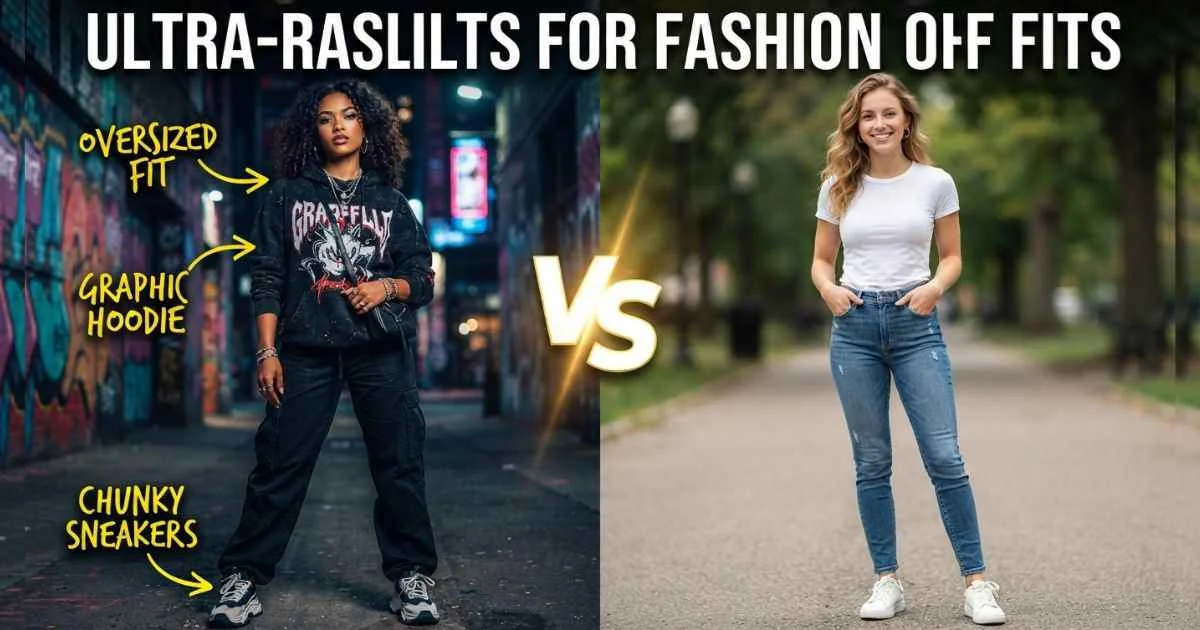
Streetwear and casual fashion look similar at a glance, but three things set them apart: fit, statement pieces, and where the style came from. Streetwear vs. casual fashion is one of the most common style mix-ups people run into, especially when they’re trying to shop for a new look. This guide breaks down the real differences, so you can tell the two apart at a glance and build outfits that actually match the look you want, whether you’re just starting to explore streetwear trends for daily life or refining a look you already wear.
What Streetwear Actually Means
Streetwear is a fashion style built on oversized fits, bold graphics, sneaker culture, and a mix of high-end and everyday pieces worn together. It started as street-level clothing worn by skaters, musicians, and everyday city kids, and it later became a major part of mainstream fashion.
What makes streetwear stand out is intention. Every piece is chosen to make a statement, whether that’s a bold logo, an oversized silhouette, or a rare sneaker pairing. Casual fashion doesn’t carry that same intention. It’s built for comfort and simplicity first, with little focus on standing out.
Where Streetwear Style Came From
Streetwear’s roots trace back to skate culture in the 1980s and 1990s, when skaters needed loose, durable clothing that could handle hard falls and long days outside. Around the same time, hip-hop culture was shaping its own fashion identity, built on bold graphics, bucket hats, and oversized fits that reflected the music and the neighborhoods it came from.
Surf culture added another layer, bringing relaxed silhouettes and graphic tees into the mix well before they became a citywide trend. These three worlds, skate, hip-hop, and surf, blended together over time into one recognizable style.
By the 2000s, this once-niche look had moved from local skate shops and street corners into mainstream malls and major fashion runways. Today, streetwear pulls from all three roots at once, and most outfits still carry pieces of that original mix, even if the wearer doesn’t know the history behind them.
Streetwear vs. Casual Fashion: The Key Differences
Streetwear vs. casual fashion comes down to five main factors: silhouette, fabric choice, layering approach, statement pieces, and formality level. The table below breaks down how each style handles these factors differently.
| Factor | Streetwear | Casual Fashion |
|---|---|---|
| Silhouette | Oversized, roomy fits | Fitted or true-to-size fits |
| Fabric choice | Heavier cotton, fleece, technical fabrics | Lightweight, everyday fabrics |
| Layering approach | Multiple intentional layers | Minimal, functional layering |
| Statement pieces | Always includes one bold piece | Rarely includes a standout piece |
| Formality level | Casual to semi-casual, styled with intent | Casual, low-effort by design |
The biggest difference comes down to intention. A streetwear outfit is built around one or two standout pieces, like an oversized graphic hoodie or a bold pair of sneakers, with everything else supporting that focal point. Casual fashion skips that step entirely. It’s built for ease, not for making a statement, which is why a plain t-shirt and jeans reads as casual instead of streetwear, even though both use everyday pieces. The layering approach also splits the two styles apart, since streetwear leans on layering pieces with intention while casual fashion keeps layers to a minimum.
Streetwear vs. Athleisure: Where People Get Confused
Streetwear and athleisure share some DNA, oversized fits and sneakers show up in both, but the intent behind each style is different. Athleisure is built around function first. Streetwear is built around expression first, even when the pieces look sporty.
| Factor | Streetwear | Athleisure |
|---|---|---|
| Intent | Style and self-expression | Comfort and function |
| Fabric | Cotton, fleece, denim, mixed materials | Performance and stretch fabrics |
| Footwear | Retro sneakers, chunky soles, statement styles | Running shoes, trainers built for movement |
| Occasion | Everyday wear, styled outfits | Workouts, errands, travel days |
A jogger paired with a plain fitted top and running shoes is athleisure. That same jogger paired with an oversized graphic hoodie and a bold sneaker becomes streetwear. The pieces can look almost identical on a hanger; it’s the styling and intent that changes the category.
The Core Visual Markers of Streetwear
A handful of visual cues make streetwear instantly recognizable, even to someone who doesn’t follow fashion closely.
- Oversized fits: Tops and outerwear are sized up, often two sizes larger than a standard fit, to create a relaxed, roomy shape.
- Logo and graphic focus: Bold prints, logos, or text on a hoodie or tee usually act as the outfit’s main focal point.
- Sneaker culture: Sneakers aren’t an afterthought in streetwear; choosing the right sneaker is often the most carefully considered part of the whole outfit.
- High-low mixing: A streetwear look often pairs an expensive piece, like premium sneakers, with an affordable basic, like a plain tee, in the same outfit.
- Utility details: Cargo pockets, drawstrings, and technical zippers show up often, borrowed from workwear and outdoor gear, which is part of why cargo pants became such a streetwear staple.
Is Streetwear Just a Trend or a Lasting Style?
Streetwear has already outlasted the usual lifespan of a passing trend. What started as a niche look tied to skate parks and city blocks has held steady in mainstream fashion for over two decades now, which suggests it’s closer to a lasting style category than a short-lived fad.
That said, not every piece within streetwear sticks around. Specific colors, logos, and silhouettes shift from year to year, even while the core identity, oversized fits, statement pieces, sneaker culture, stays constant. Knowing which streetwear trends will last helps separate the pieces worth investing in from the ones that will feel dated in a year or two.
Frequently Asked Questions
Is streetwear unisex?
Yes. Streetwear has always been built around fit and styling choices rather than gendered clothing categories. Oversized hoodies, graphic tees, and sneakers work the same way regardless of who’s wearing them.
Can streetwear be professional?
In a toned-down form, yes. A structured oversized top, neutral colors, and clean sneakers can read as smart-casual in relaxed work settings, though full streetwear with bold graphics usually isn’t appropriate for formal offices.
What’s the difference between streetwear and hypebeast style?
Hypebeast style is a narrower version of streetwear focused heavily on rare, limited-release items and brand hype. Streetwear as a broader style doesn’t require rare pieces at all; it’s built around fit and intent rather than exclusivity.
Is streetwear still popular in 2026?
Yes. Streetwear remains one of the most common everyday styles, especially among people building outfits around sneakers and oversized fits. Specific trends within the style continue to shift, but the overall category has stayed steady for years.
Your Next Step
If you’re still unsure whether an outfit reads as streetwear or casual, check it against one test: does it have a clear statement piece? If not, swap in one bold item, like a graphic tee or a bolder sneaker, and see how the whole look changes.

Maya Brooks is a lifestyle and fashion writer at BaddieHub Magazine. With a passion for culture, trends, and self-expression, she brings readers fresh insights on style, wellness, and modern living. Maya believes in empowering individuals to embrace bold fashion choices and authentic lifestyles. Her work blends real-world experience with engaging storytelling to connect with a global audience.
When she’s not writing, Maya enjoys exploring new travel destinations, discovering local streetwear culture, and sharing everyday tips that inspire confidence and creativity.


