
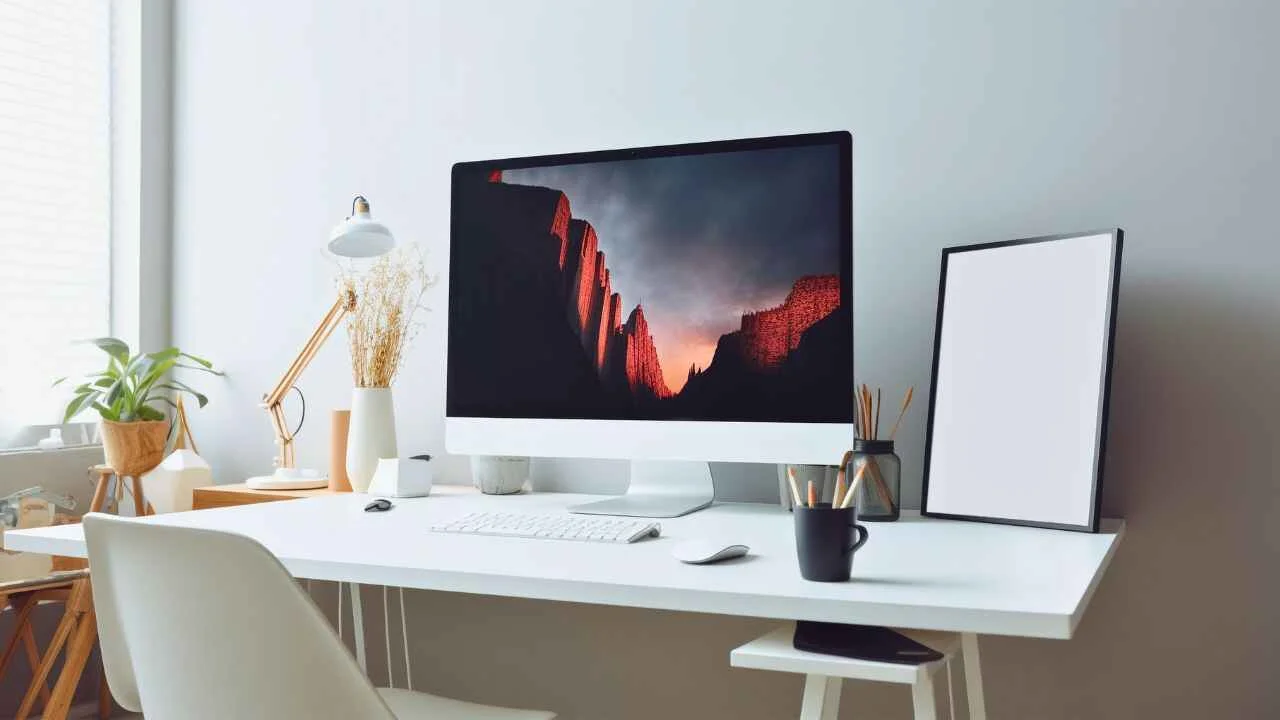
The world of work has changed faster in the last few years than in the past few decades. Technology, global events, and shifting worker needs have pushed companies to rethink how, when, and where people work. Today, the “future of work” often points to remote and hybrid models. These flexible setups allow employees to split time between home and office or work entirely online. They are not just trends but signs of a new era in how work is done.
This article explores what remote and hybrid work mean, why they matter, their pros and cons, and how businesses can prepare for this ongoing change.
What Does the Future of Work Mean?
The future of work is not about robots taking jobs or offices vanishing overnight. Instead, it’s about how workplaces adapt to new needs. Flexible hours, digital tools, and more focus on work-life balance are now shaping daily work.
At its heart, the future of work answers questions like:
- How do people want to work?
- How can businesses stay productive?
- What tools and skills are needed for success?
Remote and hybrid models are clear answers to these questions.
The Rise of Remote Work
Remote work has been around for years, but it became mainstream during the COVID-19 pandemic. Millions of people worked from home, proving that many jobs don’t need a physical office.
Benefits of Remote Work:
- Flexibility: Employees can work from anywhere.
- Cost savings: No commute, less money on fuel or transport.
- Global hiring: Companies can hire talent worldwide.
- Work-life balance: More time for family and personal life.
Challenges of Remote Work:
- Isolation from colleagues.
- Harder to separate work and home life.
- Dependence on strong internet and digital tools.
Hybrid Work: A Middle Ground
Hybrid work blends the best of both worlds. Employees spend some days in the office and others working from home. Tech companies like Microsoft, Google, and Apple have adopted this model.
Why Hybrid is Popular:
- Teams still meet in person for collaboration.
- Workers enjoy flexibility without total isolation.
- Businesses can downsize office space and save money.
For many, hybrid work is the most sustainable path forward.
Technology as the Backbone
None of these models would work without technology. Tools like Zoom, Slack, Microsoft Teams, and Google Workspace make it easy to connect and collaborate. Cloud storage, project management apps, and cybersecurity are also critical.
In the future, artificial intelligence (AI) and virtual reality (VR) may shape remote work further. Imagine virtual offices where people meet using VR headsets or AI tools that automate daily tasks.
Skills Needed in the New Workplace
The future of work is not just about where people work but also how they work. Employees need to adapt and build new skills.
Key skills include:
- Digital literacy – Comfort with online tools and platforms.
- Communication – Clear writing and speaking in virtual settings.
- Time management – Staying productive without direct oversight.
- Adaptability – Thriving in changing environments.
- Collaboration – Working well with global teams.
Benefits for Businesses
Adopting remote and hybrid models helps companies too.
- Access to talent: Hire the best people regardless of location.
- Reduced costs: Smaller offices, fewer overhead expenses.
- Increased productivity: Many studies show employees get more done at home.
- Employee satisfaction: Happier workers stay longer.
Challenges Businesses Face
Shifting to flexible work is not always smooth.
- Security risks: Remote work increases exposure to cyber threats.
- Company culture: Harder to build when teams are spread out.
- Unequal experiences: Some employees may feel left out.
- Management struggles: Leaders must learn new ways to track performance.
Companies that plan ahead can overcome these hurdles.
The Human Side of Work
While tech drives remote and hybrid work, the human side cannot be ignored. Workers want more than just a paycheck. They want balance, freedom, and purpose. The future of work is about trust—trusting employees to deliver results no matter where they sit.
Businesses that listen to these needs will attract and keep top talent.
Examples of Companies Leading the Way
- Twitter: Announced employees could work from home forever if they choose.
- Google: Offers hybrid work with flexible office days.
- Shopify: Declared itself a “digital by default” company.
These examples show that flexible models are here to stay.
What Does the Future Hold?
The workplace of tomorrow may look very different:
- Offices redesigned as collaboration hubs instead of daily desks.
- More use of automation to handle routine tasks.
- Global teams working across time zones.
- Focus on outcomes instead of hours worked.
Remote and hybrid work are not temporary fixes but long-term solutions.
How Can Businesses Prepare?
- Invest in tech – Reliable tools are essential.
- Train managers – Leadership must adapt to new styles.
- Support employees – Offer mental health and wellness programs.
- Set clear policies – Define expectations for remote and hybrid work.
- Stay flexible – Be ready to adjust as needs change.
FAQs
What is the future of work?
It’s the shift toward flexible, tech-driven, and people-focused work models.
Is remote work better than office work?
It depends. Remote work offers freedom, but office work helps with teamwork. Hybrid blends both.
Will all jobs become remote?
No. Some jobs require physical presence, but many can be done online.
How can companies keep remote workers engaged?
Through regular check-ins, virtual team activities, and clear communication.
Conclusion
The future of work is not one-size-fits-all. For many, it means embracing remote and hybrid models. These setups balance flexibility, productivity, and human connection. Businesses that adapt will thrive, while those that resist may struggle to keep up.
The workplace of tomorrow is already here. It’s flexible, digital, and built on trust.

Maya Brooks is a lifestyle and fashion writer at BaddieHub Magazine. With a passion for culture, trends, and self-expression, she brings readers fresh insights on style, wellness, and modern living. Maya believes in empowering individuals to embrace bold fashion choices and authentic lifestyles. Her work blends real-world experience with engaging storytelling to connect with a global audience.
When she’s not writing, Maya enjoys exploring new travel destinations, discovering local streetwear culture, and sharing everyday tips that inspire confidence and creativity.


