
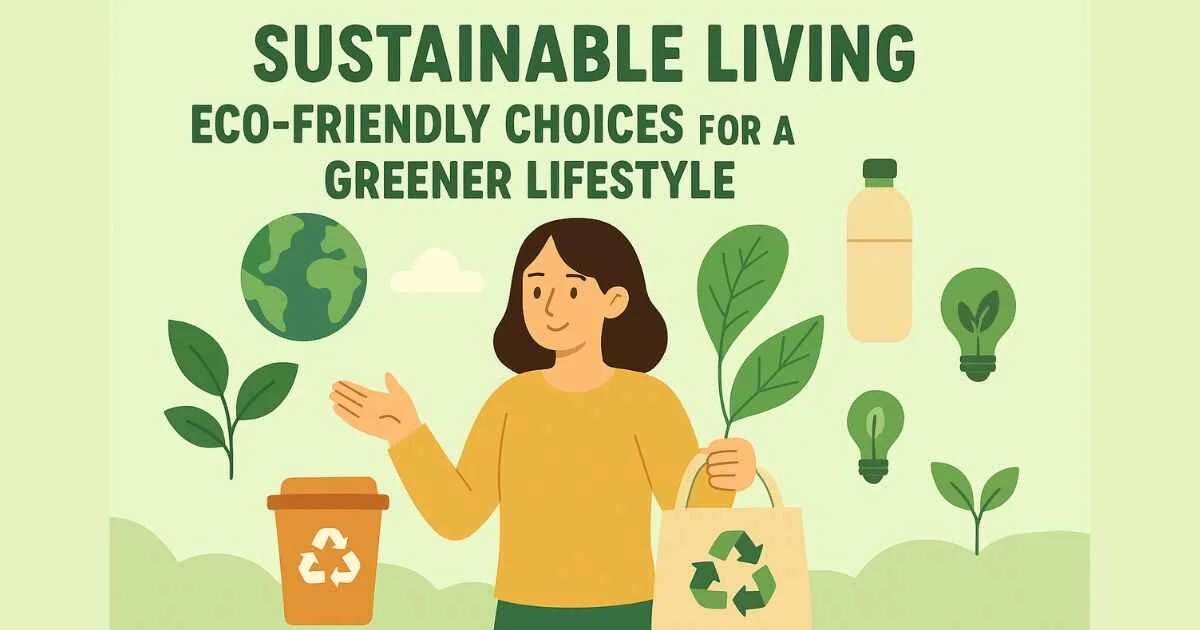
The world today is changing fast. People use more energy, more water, and more products than ever before. This makes life easier, but it also harms our planet. The air gets dirty, oceans fill with plastic, and animals lose their homes. That is why many people now look for simple ways to live in a way that helps the Earth. This is called sustainable living. It means making choices that are kind to nature and safe for the future. Anyone can do it, no matter their age or where they live.
What Is Sustainable Living?
Sustainable living means using things in a smart way so they last longer. It also means making sure the Earth stays healthy for kids, parents, and even future generations. For example, when people recycle bottles instead of throwing them away, less waste goes to landfills. When families turn off lights they do not need, less energy is wasted. These small steps may look simple, but together they make a big change.
Why Does Sustainable Living Matter?
Some people may wonder why this is important. The answer is simple: the planet gives us food, water, and clean air. If we do not take care of it, life will become harder. Farms may not grow enough crops, water may become dirty, and weather may turn extreme. By living in a green way, people protect the planet and also save money and improve health.
Easy Eco-Friendly Choices for Daily Life
1. Save Energy at Home
- Turn off lights when leaving a room.
- Use energy-saving bulbs.
- Unplug chargers when not in use.
- Open windows for fresh air instead of using air conditioning all the time.
Even big companies like Energy Star recommend these tips. Families that follow them can cut bills and reduce pollution.
2. Use Less Water
- Take shorter showers.
- Fix leaking taps.
- Collect rainwater for plants.
- Wash clothes in full loads instead of small ones.
The Environmental Protection Agency (EPA) shares that the average family can save thousands of gallons of water every year by being careful.
3. Eat in a Green Way
Food choices also affect the planet. Eating more fruits, vegetables, beans, and grains is good for health and the Earth. Local farmers’ markets offer fresh food with fewer chemicals and less travel time. Buying food that comes in less plastic wrapping also cuts waste.
4. Reduce Plastic Use
Plastic never fully goes away. It breaks into tiny pieces and harms animals in the sea. Some smart choices include:
- Carrying a reusable water bottle.
- Using cloth shopping bags.
- Choosing glass or paper packaging when possible.
Eco-Friendly Travel Choices
Cars, buses, and planes create smoke that warms the Earth. But travel can still be green. People can:
- Walk short distances.
- Ride bikes.
- Use public buses or trains.
- Share rides with friends.
Some cities, like Copenhagen in Denmark, are famous for bike-friendly streets. These ideas not only save fuel but also keep people healthy.
Green Fashion: Clothes That Care
Fashion is fun, but fast fashion is harmful. Cheap clothes are made quickly, often wasted, and thrown away. A better choice is sustainable fashion. That means buying fewer clothes but choosing ones that last longer. Brands like Patagonia and Everlane are known for eco-friendly practices. Another option is shopping at thrift stores, which gives old clothes a new life.
Eco-Friendly Living at School and Work
Living green is not only for home. Kids and adults can bring these habits to school and work.
- Use both sides of paper.
- Carry reusable lunch boxes.
- Share books and supplies instead of buying new ones each time.
- Suggest recycling bins at offices.
When one person leads, others follow. A school or workplace can soon become a model of eco-friendly living.
Eco-Friendly Technology
Technology is part of daily life, but it can also be wasteful. Old phones, computers, and TVs often end up in trash piles. This is called e-waste. To live green, people can:
- Recycle old devices through trusted centers.
- Donate working gadgets to schools or charities.
- Buy energy-saving devices when possible.
Some tech firms like Apple now run recycling programs to collect old devices and reuse parts.
Green Living in the Community
One person’s actions may look small, but whole communities can create real change. Cities around the world now support eco-friendly choices. For example:
- San Francisco has strict recycling rules.
- Amsterdam has many solar-powered buildings.
- Local groups often run tree-planting drives or clean-up days.
Joining these efforts makes people feel part of something bigger.
Common Questions about Sustainable Living
What are the first steps for beginners?
Start small. Turn off lights, recycle bottles, and bring a reusable bag when shopping.
Can kids also live sustainably?
Yes. Kids can help by planting trees, carrying a reusable water bottle, and using notebooks wisely.
Does eco-friendly living cost more?
Not always. Some things, like solar panels, cost more at first but save money later. Other steps, like using less water or energy, save money right away.
Is eco-friendly living the same everywhere?
No. Choices depend on where people live. Someone in a big city may ride buses, while someone in the countryside may grow food at home.
Benefits of Sustainable Living
Health Benefits
- Cleaner air helps people breathe better.
- More fresh food improves health.
- Walking or biking adds exercise.
Money Benefits
- Using less energy lowers bills.
- Reusing items means buying less.
- Eating simple foods costs less than fast food.
Planet Benefits
- Fewer trees are cut down.
- Less trash ends up in oceans.
- Animals and plants have safer homes.
The Role of Education
Schools and colleges play a big role in teaching green habits. Programs like Eco-Schools USA show kids how to recycle, save energy, and respect nature. When children learn early, they carry these lessons for life.
Role of Governments and Companies
It is not just families who must change. Governments and companies also have power.
- Governments can pass laws to limit plastic use.
- Companies can make products that are safe for the Earth.
- Stores can stop giving free plastic bags.
For example, IKEA now uses more recycled materials in its furniture. This shows how even big businesses can help.
Steps for a Greener Lifestyle (Quick Guide)
- Save energy and water.
- Reduce, reuse, and recycle.
- Choose local and seasonal food.
- Walk or ride a bike when possible.
- Support eco-friendly brands.
- Plant trees or join clean-up drives.
- Teach kids and friends about green living.
Final Thoughts
Sustainable living is not about being perfect. It is about making better choices, step by step. Even small acts, like turning off a light or carrying a cloth bag, matter. When millions of people do these little things, the Earth feels a big difference. A greener lifestyle makes life healthier, happier, and safer for all. The future is in our hands, and by living in a kind way, we protect it for the next generation

Maya Brooks is a lifestyle and fashion writer at BaddieHub Magazine. With a passion for culture, trends, and self-expression, she brings readers fresh insights on style, wellness, and modern living. Maya believes in empowering individuals to embrace bold fashion choices and authentic lifestyles. Her work blends real-world experience with engaging storytelling to connect with a global audience.
When she’s not writing, Maya enjoys exploring new travel destinations, discovering local streetwear culture, and sharing everyday tips that inspire confidence and creativity.


