
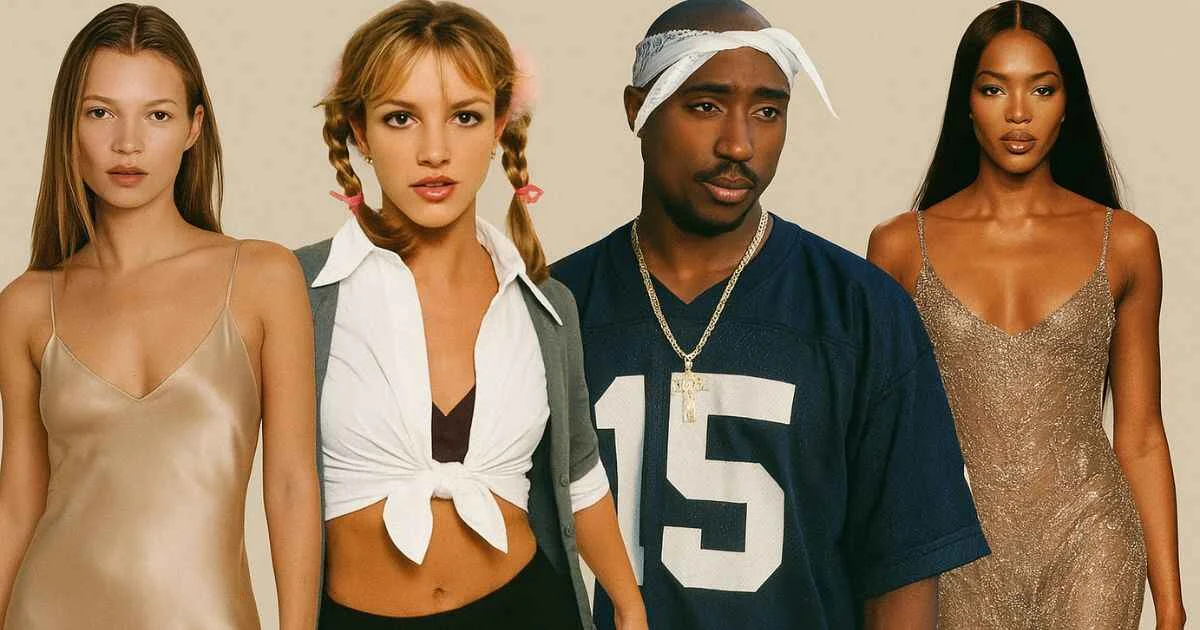
The 1990s may feel far away, but the looks from that time are back. 90s fashion is everywhere today. You see it in TikTok videos, Pinterest boards, and even on fashion runways. People love it because it feels fun, bold, and a little bit different from what we wear now.
Why are the 90s so popular again? One reason is nostalgia. Many adults who grew up in that time remember it with love. They want to wear the styles they had when they were teens. Another reason is that young people, who never lived in the 90s, see it as fresh and exciting. For them, it feels like a brand-new trend.
Designers also play a big role. Major brands are bringing back slip dresses, baggy jeans, and chunky sneakers. Stars copy these looks, and fans follow them. Social media spreads the styles fast. A single viral video can make an old trend popular in just a day.
This guide is more than a walk down memory lane. It will show the truth about these looks. Some are timeless, but some may not work well today. We will look at the good and the bad. We will also share clear tips on how to dress in 90s style without wasting money or harming the planet.
Vintage 90s Fashion Trends That Shaped the Decade
The 1990s gave us many styles that people still love today. These vintage 90s fashion trends are easy to spot because they stand out. They bring strong feelings of 90s nostalgia for people who lived through that time. For new fans, they feel fresh and cool, like a piece of history they can wear.
One of the most iconic 90s fashion looks was the slip dress. It was soft, shiny, and often worn with thin straps. Stars like Kate Moss made it famous. Another big trend was crop tops. These short shirts showed the stomach and were popular with teens and young women.
Plaid skirts also became a must-have. The movie Clueless showed bright plaid sets that many wanted to copy. Chokers, the tight necklaces, were simple but powerful. They gave outfits an edge. Together, these trends created a style that felt bold, playful, and sometimes rebellious.
But not every 90s retro style works well today. Some looks can feel dated or not fit all body shapes. For example, super low-rise jeans made many people uncomfortable. Fashion should be fun, but also fair for all sizes.
Here is a simple view of how old trends are worn today:
| Popular 90s Trend | Worn in the 1990s | Worn Today |
|---|---|---|
| Slip Dresses | Party or red carpet | Layered with t-shirts or jackets |
| Crop Tops | Paired with baggy jeans | With high-waist pants or skirts |
| Plaid Skirts | Matched with blazers | Worn as streetwear or casual looks |
| Chokers | Plastic or velvet, edgy vibe | Modern gold or layered necklaces |
These vintage 90s fashion trends are fun to bring back, but we must see them with clear eyes. Some are timeless, but others are better left in the past. That mix is what makes fashion nostalgia so powerful. For a modern perspective on how designers are mixing old and new styles, check out the Latest Fashion Trends for Fall 2025.
Minimalist 90s Fashion Style and Chic Aesthetics
Not all 90s looks were bold. Some were very simple. This was the minimalist 90s fashion style. The idea was “less is more.” Clothes had clean lines, soft shapes, and plain colors. White, black, and beige were common. This style gave us the smooth 90s silhouette that felt calm and sharp at the same time.
A famous name linked to this look is Carolyn Bessette Kennedy. She often wore simple slip dresses, long coats, and sleek suits. She showed that fashion does not need too many details to look strong.
Many people loved 90s chic looks because they were easy to wear. These outfits are now seen as timeless 90s fashion staples. A plain white shirt, black trousers, and a fitted blazer could go anywhere, from work to dinner.
But not everyone liked 90s chic. For some, it felt too plain or even boring. Bright colors and bold prints were missing. Another issue was fabric. Many clothes were made fast and cheap, which was not good for the planet. This is why today’s buyers look for sustainable versions of these simple outfits.
The truth is, 90s minimalism has both pros and cons:
- Pros: timeless, easy to match, always in style.
- Cons: plain for some, fabric waste, not exciting for all tastes.
Still, this style lives on because it teaches us a key lesson: fashion does not always need to shout. Sometimes, simple is the strongest voice of all.
Streetwear, Grunge, and Urban Influence

The 1990s were not just about slip dresses and crop tops. The decade also gave rise to 90s streetwear and 90s grunge, two styles that changed everyday fashion. These looks came from music, skateboarding, and city life. They felt raw, loud, and real.
90s street style was shaped by hip-hop culture. Baggy jeans, hoodies, and sneakers ruled the streets. Brands like FUBU and Tommy Hilfiger became symbols of 90s urban style. Rappers and dancers wore these outfits, and fans copied them.
At the same time, 90s grunge came from bands like Nirvana and Pearl Jam. The grunge uniform was simple: ripped jeans, oversized flannel shirts, and heavy boots. This was not about looking perfect. It was about comfort and a “don’t care” vibe. Together, these styles became a huge part of 90s subculture style.
Today, we see a streetwear 90s fashion revival. Luxury labels now sell hoodies, sneakers, and even flannels for high prices. What was once cheap and easy is now part of designer stores.
Here’s a clear view of the good and bad sides of 90s street fashion:
| Style | Pros | Cons |
|---|---|---|
| Streetwear | Comfortable, unisex, creative | Expensive now, not office-friendly |
| Grunge | Easy to style, carefree vibe | Messy for formal events |
The truth is, these looks gave freedom. They showed fashion can come from the street, not just the runway. But they are not always practical. A baggy hoodie may not work for a business meeting. Still, 90s street fashion reminds us that style can be bold, fun, and made by the people. Before shopping retro pieces online, it’s smart to read reviews like this one on Fashionisk.com to know if the store is trustworthy.
Celebrity 90s Fashion Inspiration and Icons
Word count target: 300–350
LSI keywords used: celebrity 90s fashion inspiration, 90s celebrity looks, 90s fashion icons, 90s Babe aesthetic, 90s archival looks
Stars played a huge role in spreading 90s style. Many of today’s outfits can be traced back to celebrity 90s fashion inspiration. Famous singers, models, and actors became walking ads for trends.
Think of Madonna. She mixed lace, leather, and bold makeup to set new rules. Britney Spears gave us schoolgirl skirts and shiny crop tops. Supermodels like Naomi Campbell walked in daring slip dresses and glitter gowns, shaping 90s celebrity looks. On the other side, Tupac made bandanas, oversized jerseys, and gold chains part of everyday wear.
These figures became true 90s fashion icons. Their images appeared in magazines, on posters, and on TV shows. They pushed forward what is now called the 90s Babe aesthetic — glamorous, playful, and sometimes over the top.
But there was also a downside. The media promoted very thin bodies as the “ideal look.” This left out many people. Fashion should celebrate all shapes, but back then, it often did not. Looking back, we can learn from these 90s archival looks — take the creativity but leave the unhealthy standards behind.
90s Runway, Editorials, and Couture
The 1990s were also big for high-end fashion. The 90s runway was full of bold, colorful, and glamorous styles. Supermodels like Cindy Crawford and Linda Evangelista became stars. They showed off 90s runway trends that blended power and beauty.
Design houses like Versace, Prada, and Chanel led the way. Their 90s designer pieces included jeweled gowns, sleek suits, and playful prints. These outfits are now seen as 90s couture classics.
Another key part was editorial 90s fashion photography. Magazines like Vogue and Harper’s Bazaar created dream-like images. They pushed the limits of 90s editorial fashion by mixing art and style.
Here’s a quick look at some top names:
| Designer | Signature Look in the 90s |
|---|---|
| Versace | Bold prints, sexy cuts, gold chains |
| Prada | Minimal, sleek, cool neutrals |
| Chanel | Tweed suits, pearls, timeless glamour |
But there was a problem. As these 90s high-fashion pieces became popular, fast fashion copied them. Cheap versions filled stores. This made the looks easier to buy but also hurt the planet and the meaning of the originals.
Even so, the 90s runway gave us many styles that still inspire designers today. It proved that fashion is both art and business, with power to shape culture.
Wardrobe Staples and Everyday 90s Outfits
The 90s were full of everyday clothes that still look cool today. People wore simple but fun styles. These 90s outfits were part of daily life, not just for special events. Jeans, sneakers, and t-shirts ruled the streets. Hair scrunchies, chokers, and backpacks were common 90s accessories.
A 90s wardrobe was not just about looking stylish. It was about being comfy too. Loose jeans, oversized sweaters, and sneakers were worn by teens, kids, and adults. This made 90s apparel easy for almost everyone to try.
Everyday Wardrobe Essentials
Some 90s wardrobe essentials became true classics:
- Baggy jeans – often ripped or faded.
- Graphic t-shirts – with bands, cartoons, or bold prints.
- Sneakers – like Adidas Superstars or chunky Nike shoes.
- Scrunchies – soft hair ties in bright colors.
- Backpacks – mini ones for girls, bigger sporty ones for guys.
These 90s apparel trends were everywhere, from schools to malls. People mixed and matched them to make a 90s capsule wardrobe that worked for any casual day.
Menswear vs. Womenswear
There was a clear split between 90s menswear and 90s womenswear.
- 90s menswear: Baggy jeans, hoodies, flannel shirts, and baseball caps. Many looks came from hip-hop and skateboarding culture.
- 90s womenswear: Crop tops, plaid skirts, slip dresses, and chokers. Some outfits were playful, while others leaned on 90s chic looks.
But the lines often blurred. Many girls wore oversized jackets, and guys sometimes rocked necklaces or earrings.
The Good and the Bad
Wearing 90s apparel had pros and cons:
Pros:
- Affordable for most people.
- Casual and comfortable.
- Easy to copy with simple items.
Cons:
- Some fabrics were low quality.
- Fast-fashion made waste a problem.
- Not all styles fit every body shape.
Even with flaws, 90s wardrobe staples shaped a generation. Today, these 90s outfits show us that simple clothes can still have big style power.
Modern Take on 90s Fashion Revival
Fashion trends from the 90s are back in stores and streets today. This modern take on 90s fashion mixes old styles with fresh ideas. People love slip dresses, blazers, and sneakers, but now they wear them in new ways.
Which 90s Looks Work Today?
Many pieces from the fashion revival 90s movement still shine today:
- Slip dresses – now layered with jackets or t-shirts.
- Oversized blazers – worn with jeans or skirts.
- Chunky sneakers – paired with both casual and fancy outfits.
- Crop tops – matched with high-waist pants for balance.
These items show how fashion from the 90s can fit modern life.
A Sustainable Twist
One big change is how people shop. Instead of buying fast-fashion copies, many choose sustainable 90s fashion pieces. Vintage fashion 90s shops and thrift stores let people buy real clothes from the past. This helps the planet and gives outfits more value.
Authentic vs. Fast-Fashion 90s Revival
Here’s a quick view of the difference:
| Style | Authentic Vintage | Fast-Fashion Revival |
|---|---|---|
| Slip Dresses | Real silk or satin | Cheap polyester |
| Sneakers | Durable brands | Lower quality copies |
| Blazers | Classic tailoring | Thin, short-lasting fabric |
| Accessories | Handmade chokers | Mass-produced items |
Buying vintage helps keep the spirit of the 90 fashion era alive without harming the planet.
Unique Subcultures and Aesthetic Revivals
Not everyone in the 90s dressed the same. The decade had many subcultures, each with its own look. These 90s inspired looks are making a comeback today as part of the 90s retro revival.
Glam, Preppy, and More
- 90s glam: Sparkly dresses, bold makeup, and shiny fabrics. This style was about being loud and confident.
- Preppy 90s fashion subculture: Polo shirts, plaid skirts, and cardigans. Popular in schools and linked to the “Clueless” vibe.
- 90s femme aesthetic: Soft slip dresses, chokers, and glossy lips. This was playful but stylish.
These outfits show the 90s aesthetic was full of variety. People could pick a group and feel like they belonged.
Pros and Cons of Subculture Styles
Wearing these looks had both good and bad sides:
Pros:
- Gave people a sense of identity.
- Helped groups stand out with their own 90s cohort trends.
- Built a strong 90s fashion heritage that inspires today.
Cons:
- Some styles carried stereotypes.
- Many trends lacked inclusivity.
- Media often showed only thin, white models.
The truth is, subcultures made fashion more fun, but also less fair. The 90s retro revival today tries to fix this by mixing the good parts of old styles with modern inclusivity.
Why 90s Fashion Continues to Inspire Today
The fashion runway 90s era may feel far away, but its impact is still strong. Today, Gen Z and millennials love bringing back these styles. Why? The answer is simple — fashion nostalgia.
For many millennials, 90s revival trends remind them of their teen years. They feel happy when they see old 90s vintage vibes like scrunchies or crop tops. For Gen Z, the 90s are brand-new. They see the clothes as fun and different, not just old. This mix of memory and discovery keeps the decade alive.
Fashion also works in cycles. Styles fade, then return after years. The 90s are no different. Every few years, designers pull ideas from the past and refresh them for today’s world. That is why 90s vintage vibes show up again on TikTok, Pinterest, and even big fashion shows.
Still, not every 90s trend works today. Some outfits, like super low-rise jeans or see-through tops, may not feel right for most people now. Others may clash with modern values around comfort, body positivity, or sustainability.
Even with limits, the 90s revival keeps growing. It blends old looks with modern needs, proving that fashion nostalgia is one of the strongest style forces we have today.
Styling Tips for a Modern 90s Wardrobe
Want to dress in 90s fashion without looking like a costume? The trick is to mix old and new. A few smart choices can give your look 90s vibes while staying fresh.
Items to try:
- Slip dress: layer it with a t-shirt or jacket.
- Chunky sneakers: wear with jeans, skirts, or dresses.
- Bucket hats: pair with casual outfits for a fun retro twist.
- Oversized blazers: balance with fitted pants or skirts.
How to shop smart:
- Skip fast fashion copies. They wear out fast and waste money.
- Look for thrift stores or vintage shops. You’ll find real 90s apparel that lasts longer.
- Choose sustainable fabrics when buying new pieces.
A modern 90s wardrobe should be stylish and kind to the planet. By picking carefully, you can enjoy the charm of the 90s fashion era without repeating its flaws.
FAQ: 90s Fashion
What are the most iconic 90s fashion trends?
Slip dresses, plaid skirts, chokers, crop tops, and baggy jeans are among the most iconic 90s fashion looks.
How do I style 90s outfits today?
Mix retro pieces with modern items. Try a slip dress with a blazer, or sneakers with a crop top and high-waist jeans.
Which celebrities were 90s fashion icons?
Madonna, Britney Spears, Naomi Campbell, and Tupac shaped major 90s fashion icons and trends.
Is 90s fashion sustainable today?
Yes, if you shop vintage, thrift, or invest in high-quality sustainable 90s fashion pieces instead of fast fashion.
What is the difference between 90s streetwear and grunge?
90s streetwear came from hip-hop culture with baggy jeans, hoodies, and sneakers. Grunge came from rock music, with ripped jeans, flannel shirts, and boots.

Maya Brooks is a lifestyle and fashion writer at BaddieHub Magazine. With a passion for culture, trends, and self-expression, she brings readers fresh insights on style, wellness, and modern living. Maya believes in empowering individuals to embrace bold fashion choices and authentic lifestyles. Her work blends real-world experience with engaging storytelling to connect with a global audience.
When she’s not writing, Maya enjoys exploring new travel destinations, discovering local streetwear culture, and sharing everyday tips that inspire confidence and creativity.


